High-Tg PCB
LEADHUI PCB manufactures custom high-Tg PCBs for applications exposed to elevated thermal stress during lead-free assembly, repeated thermal cycling, or long-term operation in demanding environments. We support prototype, NPI, low-volume, and production requirements for single-sided, double-sided, and multilayer high-Tg circuit boards.Thermal Conductivity Options: 1.0–3.0 W/m.KGet A Quote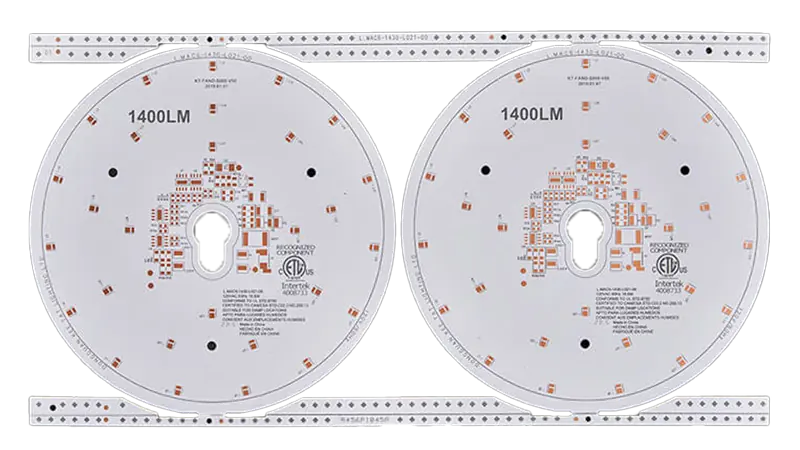
High-Tg PCB Types We Manufacture
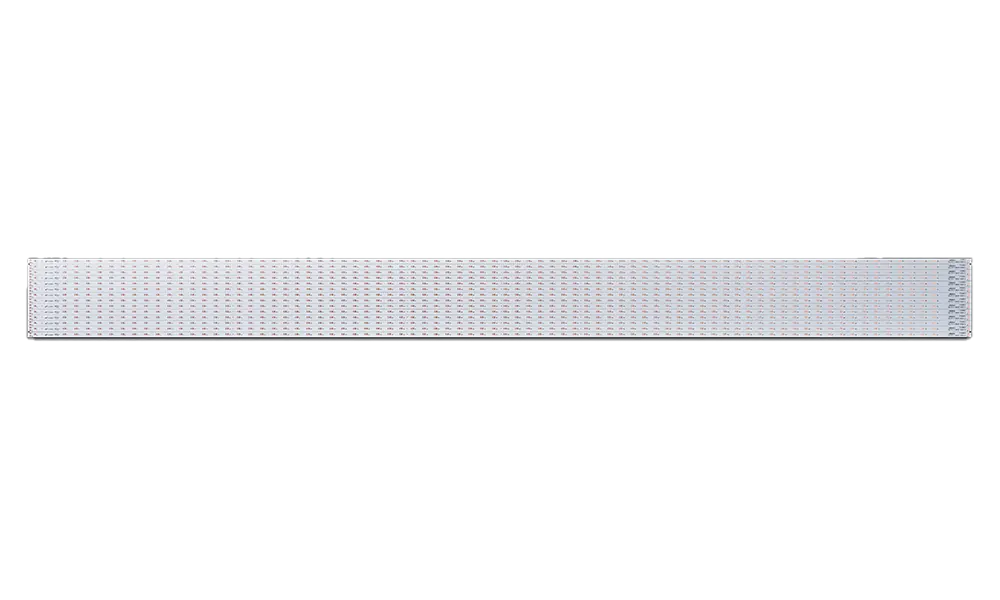
We manufacture four distinct types of aluminum-backed PCBs to match your specific thermal, layering, and spatial layout requirements.
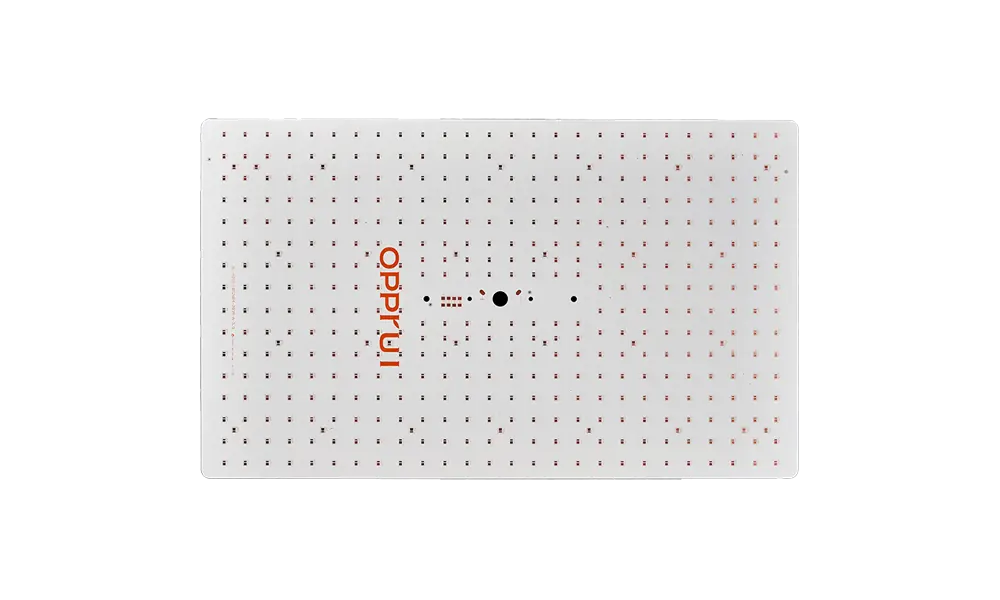
High-Tg Double-Sided PCB
A cost-effective option for products requiring improved heat resistance while retaining a relatively simple two-layer board construction.
- Layer Count:
- Best For:
- Cost Level:
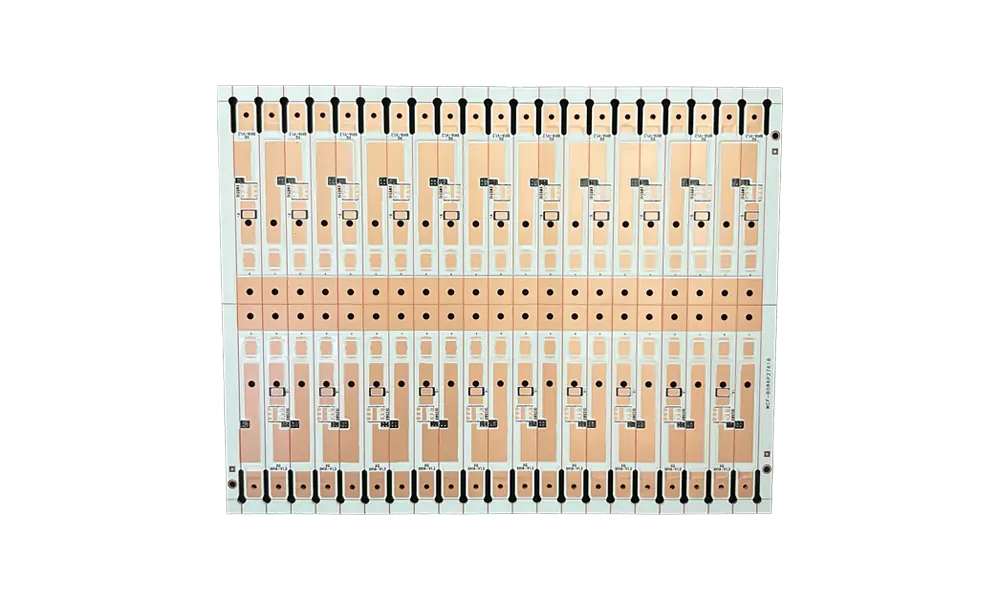
High-Tg Multilayer PCB
Suitable for dense routing, power and ground planes, signal integrity requirements, and products with more demanding thermal or reliability expectations.
- Layer Count:
- Best For:
- Cost Level:
High-Tg HDI PCB
Supports compact, high-density designs using microvias, blind vias, buried vias, and fine-pitch component layouts, subject to engineering review.
- Board Type:
- Best For:
- Cost Level:
What Is a High-Tg PCB?
Tg, or glass transition temperature, is the point at which an epoxy resin begins to change from a rigid, glass-like state to a softer and less stable state. A high-Tg PCB uses FR-4 laminate engineered to maintain better dimensional stability and heat resistance above the range of standard FR-4 materials.
High-Tg materials are commonly selected when a product requires:
- Lead-free reflow soldering compatibility
- Higher thermal reliability during assembly
- Better resistance to thermal cycling
- Multilayer board stability
- Improved performance in high-temperature operating environments
Standard FR-4 is suitable for many products. High-Tg FR-4 is a more appropriate choice when heat exposure, reliability expectations, copper weight, layer count, or assembly conditions place greater stress on the PCB.
Why Choose High-Tg PCB Material?
Technical Capabilities
From rapid prototyping to high-volume mass production, LEADHUI supports a wide range of custom specifications to match your exact project needs:
| Capability Item | Specification |
|---|---|
| PCB Type | Single-Sided Aluminum PCB, Double-Sided Aluminum PCB, LED Aluminum PCB, Custom Aluminum PCB |
| Base Material | Aluminum base, metal core substrate, high thermal conductivity materials |
| Thermal Conductivity | 1.0 W/m.K, 1.5 W/m.K, 2.0 W/m.K, 3.0 W/m.K or custom options |
| Board Thickness | 0.15 mm - 3 mm |
| Copper Thickness | 1 oz - 4 oz or higher upon project review |
| Surface Finish | HASL, Lead-Free HASL, ENIG, OSP |
| Solder Mask | White, Black, Green, Blue, Red and other colors |
| Silkscreen | White, Black and other colors available upon review |
| Profile Processing | CNC Routing, V-Cut, Tab Routing, Custom Shape, Mounting Holes, Slots |
| Testing | Open / Short Test, Electrical Test, Final Inspection |
Aluminum PCB FAQ
What is the main advantage of aluminum PCB?
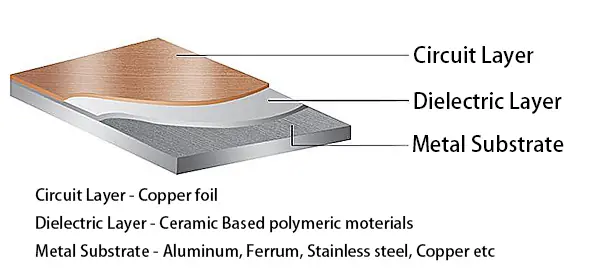
The main advantage is heat dissipation. Aluminum PCBs help transfer heat away from LEDs, power components, and high-current circuits.
Is aluminum PCB better than FR4 PCB?
It depends on the application. FR4 is suitable for general electronic circuits, while aluminum PCB is better for products that require improved thermal management.
Can aluminum PCB be used for LED lighting?
Yes. Aluminum PCB is widely used in LED modules, LED strips, downlights, panel lights, street lights, and other lighting products.
Can LEADHUI PCB provide aluminum PCB assembly?
Yes. LEADHUI PCB can support aluminum PCB fabrication and assembly, including component sourcing, SMT assembly, inspection, and testing.