Печатная плата из материала FR-4 Производство
Компания LEADHUI PCB производит односторонние, двусторонние, многослойные, с высоким значением Tg, с толстым медным слоем и с контролируемым импедансом печатные платы из материала FR-4 для проектов в области электроники — от прототипов до серийного производства.Получить расценки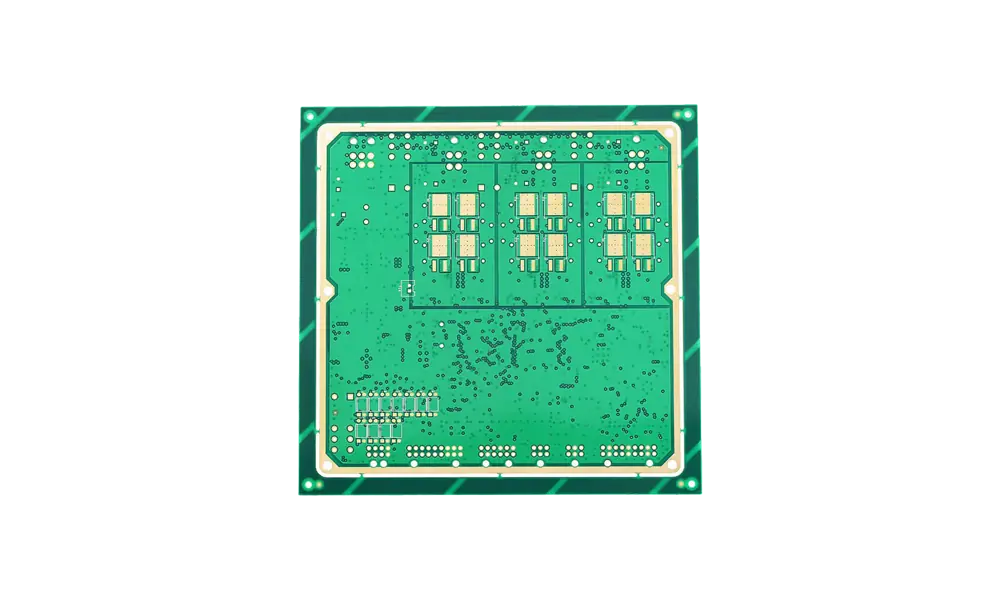
Типы печатных плат FR-4, которые мы производим
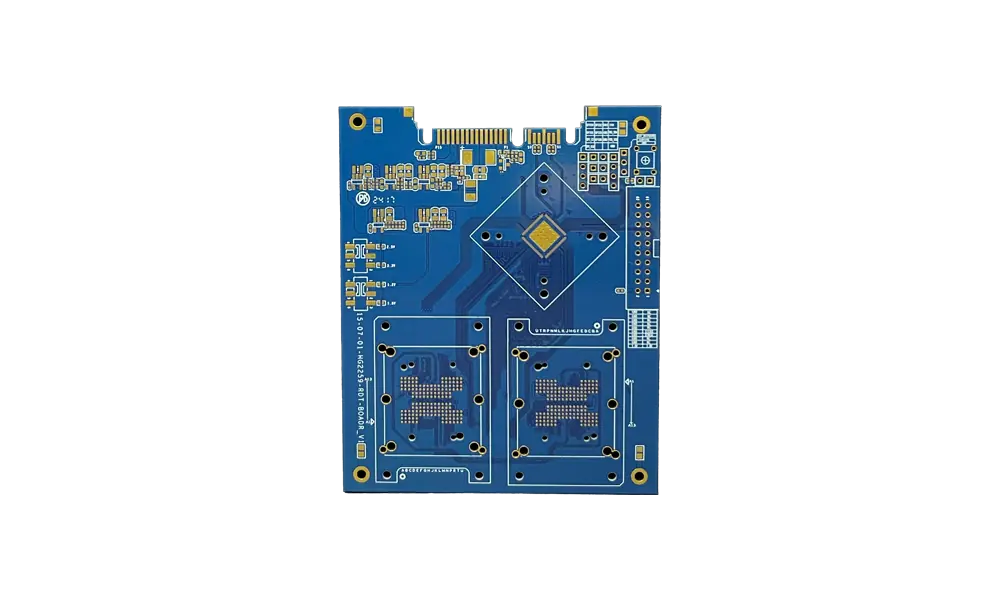
Односторонняя печатная плата из FR-4
Наиболее экономичная жесткая конфигурация с одним медным проводящим слоем, соединенным со стандартным стеклотекстолитовым сердечником. Оптимизирована для простых схем.
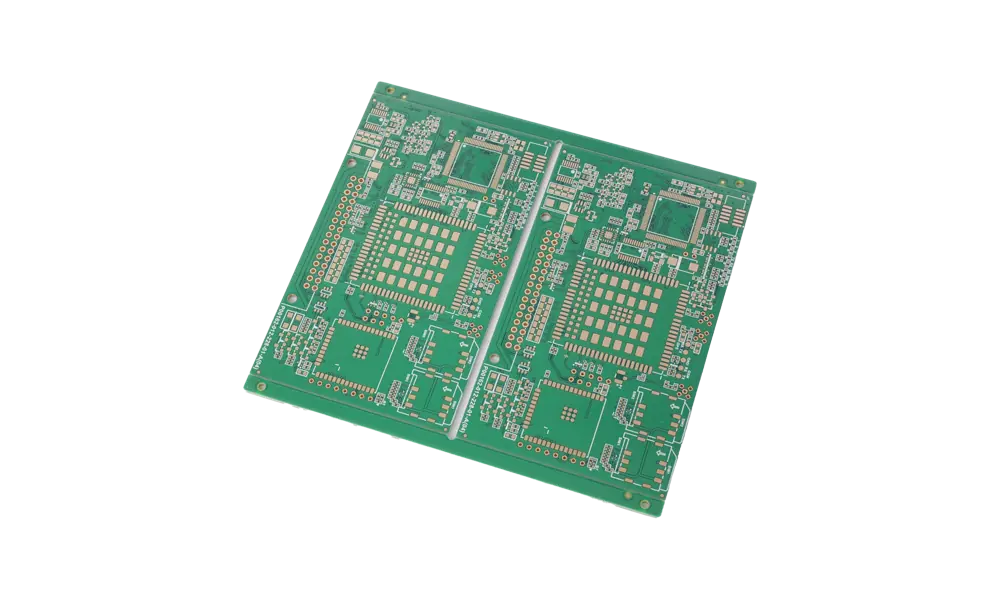
Двусторонняя печатная плата из FR-4
Разработана для схем средней плотности. Имеет двусторонние медные проводящие слои, соединенные через прецизионные металлизированные сквозные отверстия (PTH), что позволяет размещать компоненты с обеих сторон.
Многослойная печатная плата из FR-4
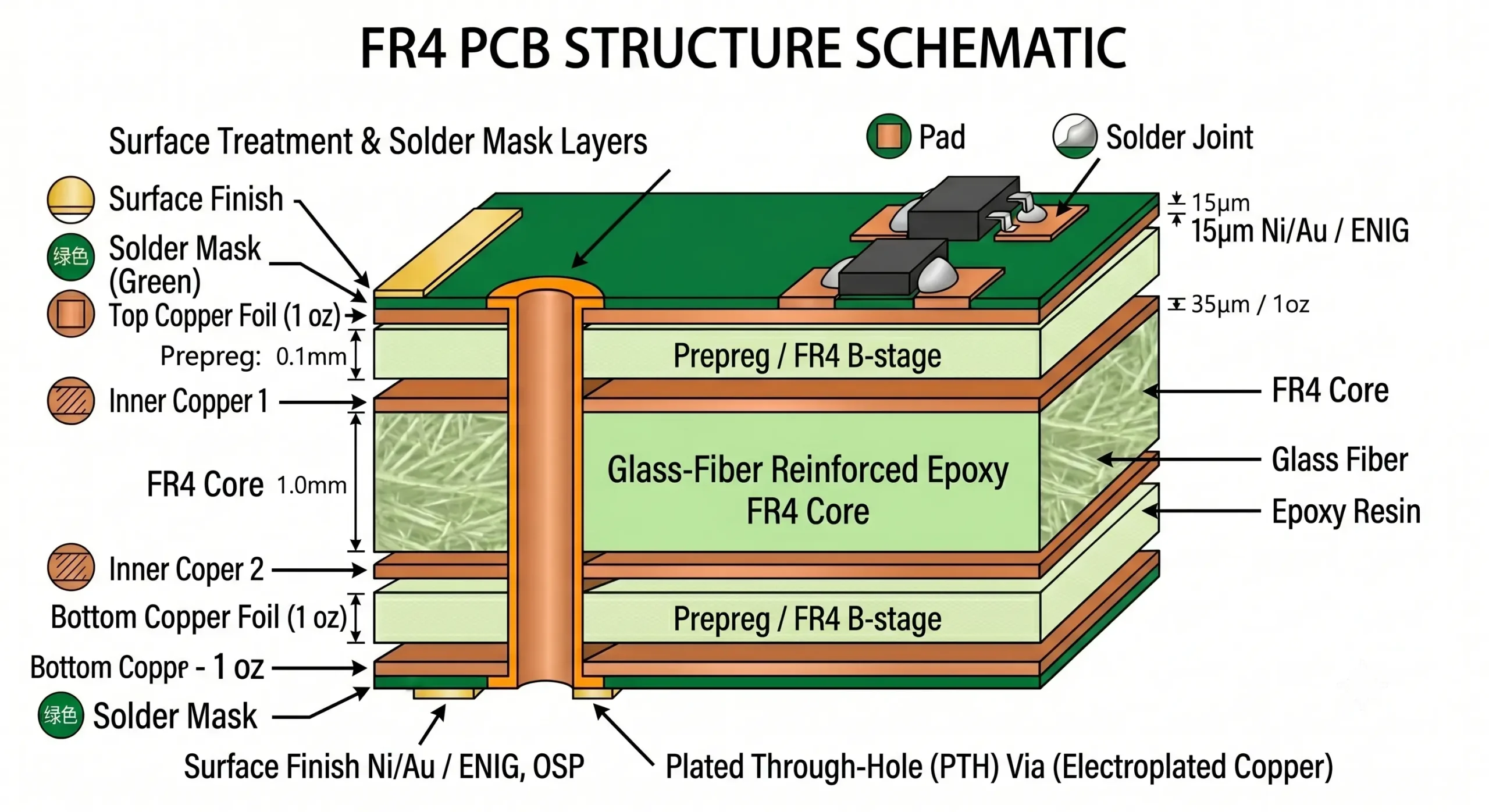
Высокоплотные 3D-архитектуры межсоединений с чередующимися медными и препреговыми слоями. Обеспечивает стабильное распределение питания (плоскости) и точный контроль импеданса для сложных цифровых схем.
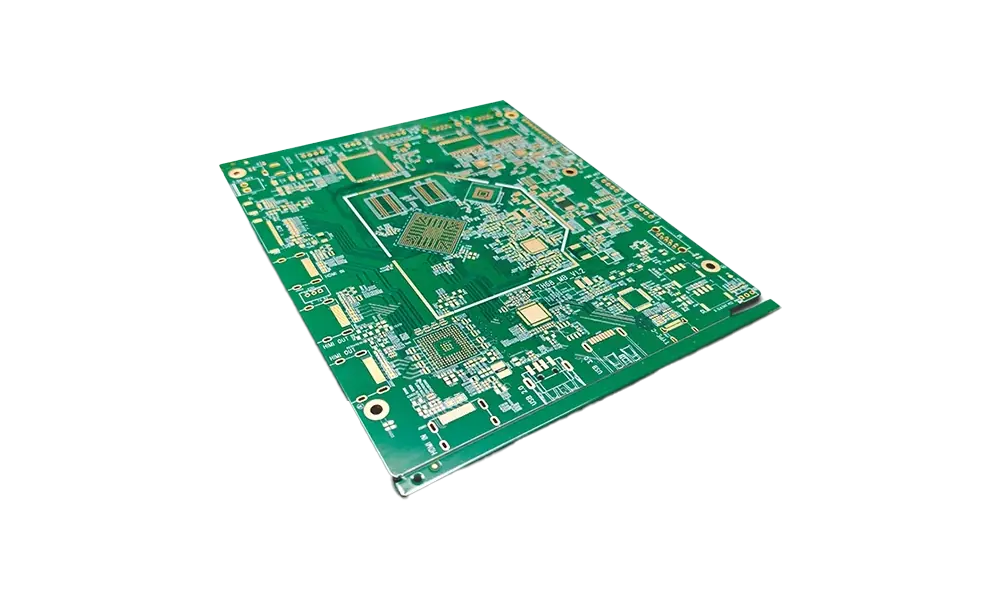
Печатная плата из материала FR-4 с высокой температурой стеклования (Tg)
Formulated with premium modified epoxy resins to withstand severe thermal stress. Minimizes Z-axis thermal expansion (CTE) to prevent delamination during lead-free (RoHS) reflow soldering.
Что такое печатная плата из материала FR-4?
FR-4 — это огнестойкий эпоксидный ламинат, армированный стекловолокном, который используется в качестве изолирующего основного материала для жестких печатных плат. Медная фольга наносится на одну или обе стороны сердечника FR-4, после чего на ней формируется рисунок, создающий электрическую схему.
Этот материал ценится за:
- Хорошая электрическая изоляция и диэлектрическая стойкость
- Надежная механическая фиксация компонентов и разъемов
- Надежная работа в стандартных электронных системах
- Совместимость с распространенными технологиями изготовления и сборки печатных плат
- Широкий выбор материалов и конкурентоспособная стоимость
“FR-4” обозначает семейство материалов, а не конкретный состав. Компания LEADHUI PCB может порекомендовать стандартные, с высоким значением Tg, безгалогенные или другие подходящие материалы серии FR-4 в зависимости от рабочей температуры, требуемого уровня надежности, количества слоев, импеданса и требований к сборке.
Процесс изготовления печатных плат из материала FR-4
1. Анализ документации и техническая оценка
Наша команда проверяет ваши файлы Gerber, файлы сверления, структуру слоев, технологический чертеж и технические требования. Перед началом производства мы проверяем все аспекты, связанные с технологичностью изготовления.
2. Подготовка материала и визуализация внутренних слоев
Подготавливаются выбранный ламинат FR-4 и медная фольга. Схемы внутренних слоев подвергаются экспонированию, травлению, контролю качества и подготовке к ламинированию.
3. Многослойное ламинирование
При изготовлении многослойных плат внутренние слои склеиваются с препрегом в условиях контролируемой температуры и давления, в результате чего формируется окончательная структура печатной платы.
4. Сверление и металлизация отверстий
В соответствии с чертежами выполняется механическое или лазерное сверление. Затем стенки отверстий обрабатываются и покрываются металлическим слоем для обеспечения электрической связи между слоями.
5. Формирование внешнего слоя схемы
На внешних медных слоях наносится рисунок для формирования дорожек, контактных площадок, плоскостей и других элементов схемы.
6. Паяльная маска, шелкография и отделка поверхности
Паяльная маска наносится для защиты открытых участков печатной платы. Затем наносятся шелкографические маркировки и наносится выбранное покрытие поверхности, что способствует сборке и обеспечивает долгосрочную паяемость.
7. Электротехнические испытания и окончательный приемка
Перед упаковкой и отгрузкой платы проходят осмотр и электрические испытания в соответствии с утвержденными производственными требованиями.
Почему стоит выбрать FR-4 для вашей печатной платы?
Экономически эффективно для большинства применений жестких печатных плат
FR-4 широко доступен и совместим с основными технологиями производства печатных плат, что позволяет контролировать затраты на материалы и производство без ущерба для ключевых эксплуатационных характеристик.
Гибкие варианты дизайна
FR-4 подходит как для простых однослойных плат, так и для сложных многослойных конструкций, что делает его подходящим как для разработки продукции, так и для наращивания объемов производства.
Совместимость с поверхностным монтажом (SMT) и монтажом с проходными отверстиями
Печатные платы из материала FR-4 хорошо подходят для пайки методом рефлоу, пайки на волне припоя, селективной пайки и ручной сборки. Они поддерживают сборку печатных плат с использованием технологий SMT, THT и смешанных технологий.
Подходит для многих отраслей
Печатные платы из материала FR-4 находят применение в бытовой электронике, системах промышленного управления, телекоммуникационных устройствах, измерительной аппаратуре, устройствах «умного дома», светодиодной электронике, системах электропитания и оборудовании для Интернета вещей.
Технические возможности
| Пункт | Возможности по производству печатных плат из материала FR-4 |
|---|---|
| Тип печатной платы | Жесткие печатные платы из материала FR-4. |
| Количество слоев | 1–32 слоя, при условии соответствия конструкции платы и прохождения технической экспертизы. |
| Конструкция доски | Проектирование односторонних, двусторонних, многослойных, HDI и печатных плат из FR-4 высокой плотности. |
| Стандартный материал | Стандартный эпоксидный ламинат FR-4, армированный стекловолокном. |
| Варианты материалов | FR-4 с высоким значением Tg, FR-4 без галогенов, FR-4 с высоким показателем CTI, а также отдельные материалы с низкими потерями доступны после технической экспертизы. |
| Толщина доски | Стандартная толщина плат составляет от 0,4 мм до 3,2 мм. Толщина по индивидуальному заказу возможна в зависимости от наличия материалов и требований к конструкции слоев. |
| Вес меди | От 0,5 унции до 6 унций меди для стандартных конструкций. Конструкция с толстым слоем меди доступна для применений с высоким током по согласованию. |
| Минимальное расстояние между элементами / пробел | Определяется толщиной меди, количеством слоев, структурой платы и производственными требованиями. Для проектов HDI предусмотрена трассировка тонких линий. |
| Минимальный размер отверстия | В зависимости от толщины платы, соотношения сторон и требований к конструкции переходных отверстий возможно выполнение механического или лазерного сверления. |
| Через типы | По результатам технической экспертизы возможны следующие типы переходных отверстий: сквозные, глухие, погруженные, «via-in-pad», заполненные, с заглушками и микроотверстия. |
| Виды отделки поверхностей | HASL, бессвинцовое покрытие HASL, ENIG, OSP, иммерсионное оловянное покрытие, иммерсионное серебряное покрытие, твердое золото и другие виды покрытий в соответствии с требованиями проекта. |
| Паяльная маска | Зеленая, черная, белая, красная, синяя, желтая и индивидуальная маска для пайки; цвета зависят от наличия материалов. |
| Шелкография | Белый, черный и отдельные варианты цветов шелкографии в зависимости от контрастности паяльной маски и требований проекта. |
| Регулируемое сопротивление | Подходит для высокоскоростных, радиочастотных и чувствительных к сигналам конструкций. Для технической проверки необходимо предоставить схему слоевой структуры и заданные значения импеданса. |
| Особенности | Золотые контакты, гальваническое покрытие кромок, отверстия с зубчатыми краями, зенковки, расточки, панелизация, нанесение насечек, фрезерование и специальные вырезы — по согласованию. |
| Электротехнические испытания | Проведение электрических испытаний может быть организовано с учетом конструкции печатной платы, наличия списка цепей, объема производства и требований проекта. |
| Стандарт качества | Изготовлено в соответствии с действующими требованиями IPC и утвержденной производственной документацией. |
| Объем заказа | Осуществляем изготовление печатных плат из материала FR-4: от прототипов и запусков новых продуктов (NPI) до мелкосерийного и серийного производства. |
Часто задаваемые вопросы о печатных платах из FR4
В чём заключается разница между FR-4 и стандартным материалом для печатных плат?
FR-4 — наиболее распространённый материал для изготовления жёстких печатных плат. Это стеклоармированный эпоксидный ламинат с огнезащитными свойствами, который используется в качестве изолирующей основы для многих стандартных печатных плат.
Подходит ли FR-4 для применения в условиях высоких температур?
Стандартный FR-4 подходит для многих областей применения в электронике. В случае повышенных тепловых нагрузок, бессвинцовой сборки или в сложных условиях эксплуатации более подходящим выбором может стать FR-4 с высокой Tg или другой специализированный материал.
Могут ли печатные платы из материала FR-4 обеспечивать контролируемое сопротивление?
Да. Обеспечить контролируемое сопротивление можно в том случае, если целевое сопротивление, схема слоения, толщина меди, толщина диэлектрика и геометрия трасс будут подтверждены в ходе технической экспертизы.
Можете ли вы изготавливать многослойные печатные платы из материала FR-4?
Да. Компания LEADHUI PCB поддерживает производство односторонних, двусторонних и многослойных плат из материала FR-4. Возможные варианты конструкции зависят от количества слоев, толщины, плотности покрытия медью, структуры переходных отверстий и требований к конструкции.
Можете ли вы осуществлять монтаж компонентов на печатных платах из FR-4?
Да. Мы можем обеспечить сборку печатных плат «под ключ» или «частично под ключ», включая закупку компонентов, поверхностный монтаж (SMT), монтаж в сквозные отверстия, контроль качества, программирование и функциональное тестирование, если это необходимо.