Fabbricazione PCB
Qui puoi acquisire conoscenze professionali che coprono l'intera catena, dalla progettazione PCB all'assemblaggio, oltre a un'analisi precisa delle ultime tendenze nel settore elettronico.
Industrial PCB Production: Process & QA
Industrial PCB production turns an approved circuit-board design into bare boards and, when ordered, populated assemblies for industrial equipment. The route includes fabrication, component assembly, inspection and agreed testing. Approval depends on the specified build, operating conditions and acceptance criteria. A motor controller, sensor interface and cabinet-mounted control board can require different materials, mechanical support…
PCB HDI: stackup, microvie e progettazione
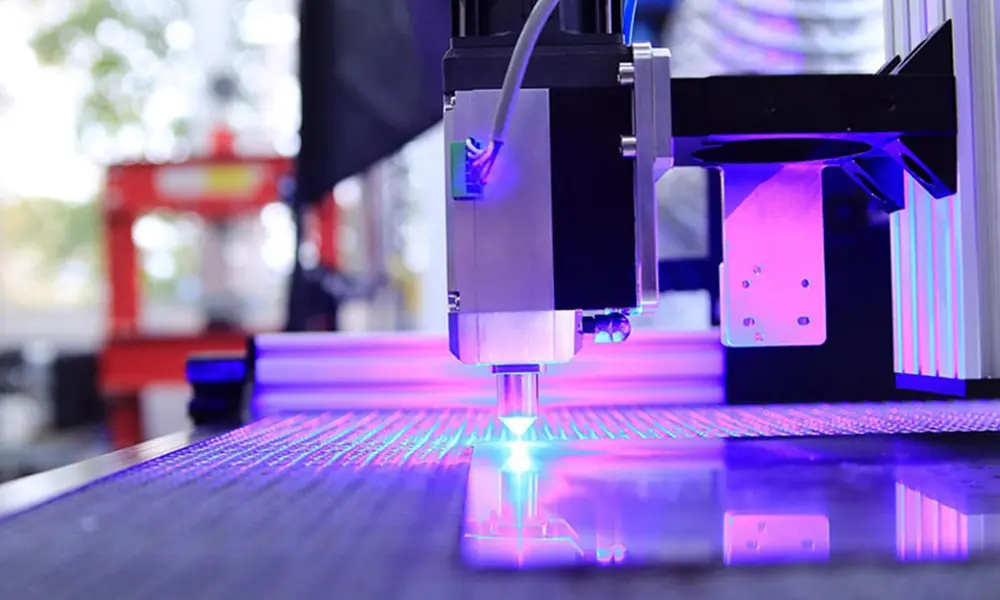
An HDI PCB, or high-density interconnect printed circuit board, uses fine conductors and compact interlayer connections to fit more wiring into a given area. Laser-drilled microvias and thin buildup layers help connect dense component pads without using a full-thickness hole at every connection. The design question is whether those features solve a routing constraint worth…

PCB rigido: materiali, costruzione e scelte progettuali
A rigid PCB, or rigid printed circuit board, supports components and connects them through copper conductors on a substrate designed to retain its shape in service. It suits electronics whose circuitry stays fixed within an enclosure, rather than bending during use. Choosing one means matching its construction to the circuit, mounting, connectors and environment. Layer…

PCB flessibile: tipi, materiali, stackup e regole di progettazione
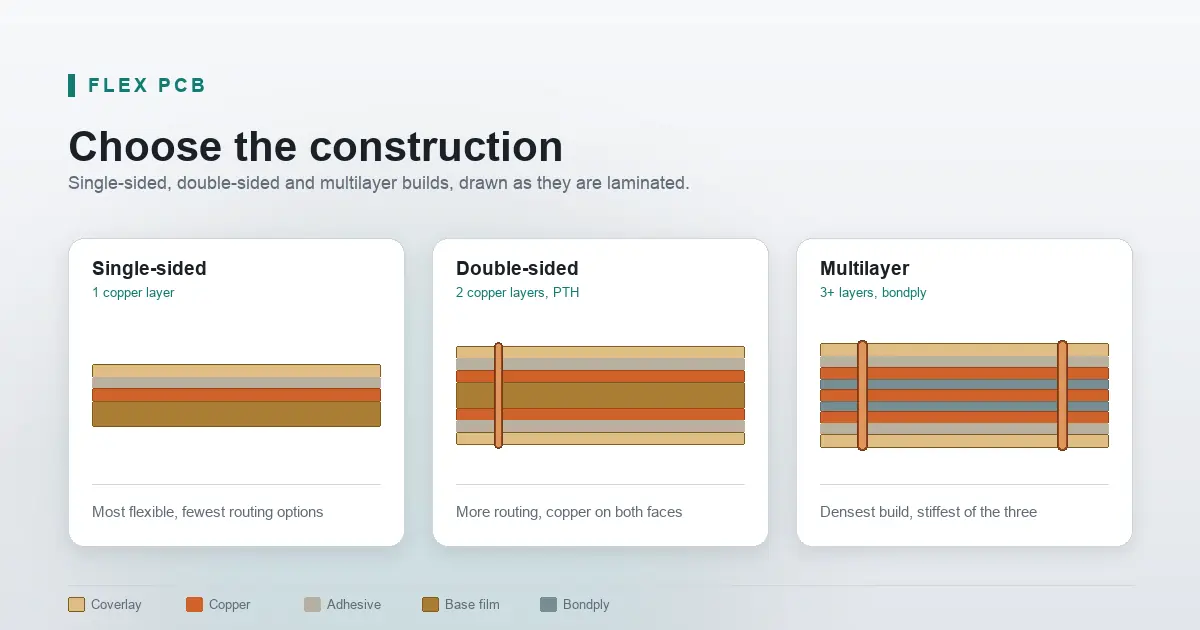
A flex PCB is a circuit built on a flexible polymer film, usually polyimide, with copper conductors bonded to it and a coverlay protecting them. That is the definition, and it is the part already answered above the search results. It is not the part that decides whether your build works. Four questions decide that,…
Raggio di curvatura dei PCB flessibili: come calcolarlo e specificarlo
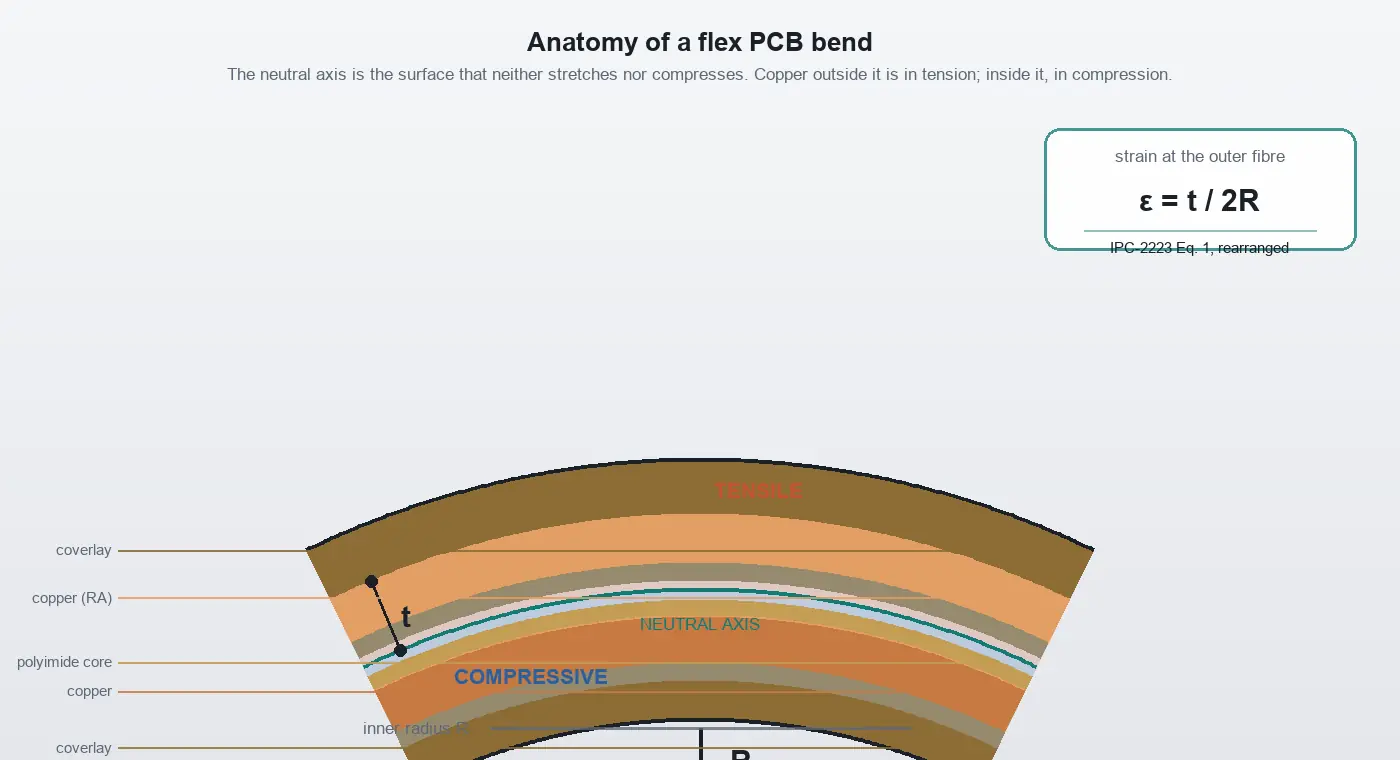
You have a stackup, a housing envelope, and a mechanical engineer asking for a flex PCB bend radius. The answer is not a lookup table; it is a strain calculation, and the multipliers in the tables are what that calculation returns once you fix a stackup. Every published multiplier, whether it reads 6×, 10×, 12×,…
Guida alla saldatura a rifusione: processo, profilo e difetti
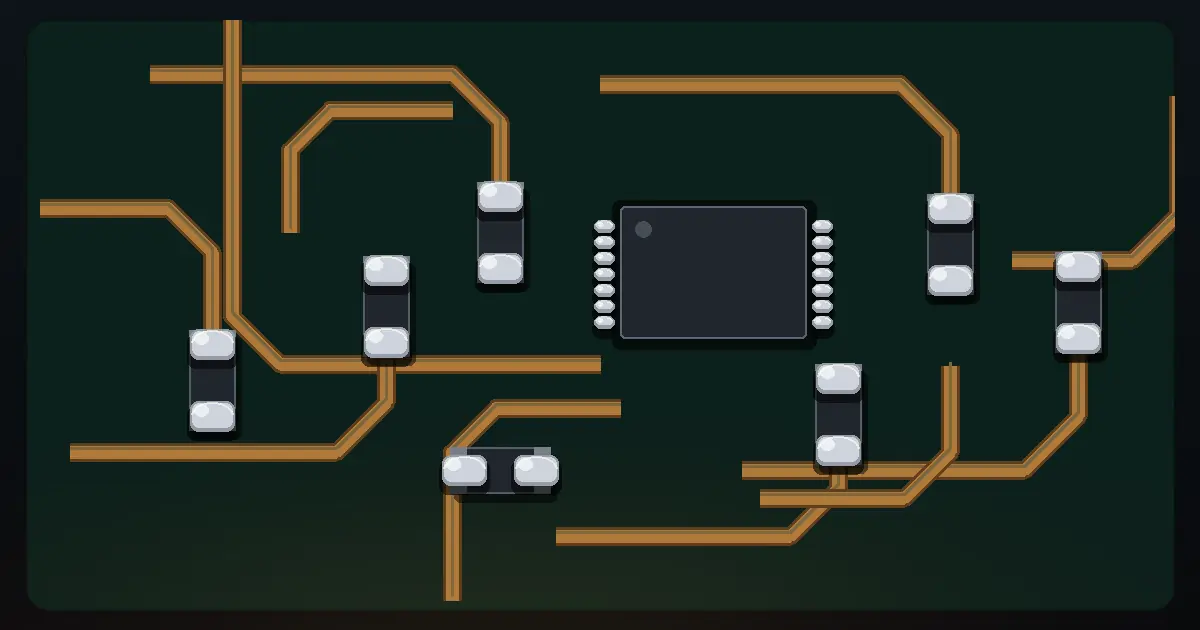
Reflow soldering is the process that attaches surface-mount components to a printed circuit board by heating stencilled solder paste until it melts, wets the component terminations and forms the joint on cooling. It is the primary assembly method for almost every modern electronic product, and it is the step where the most expensive mistakes become…
Laminato rivestito di rame (CCL): tipi, produzione, prestazioni e standard
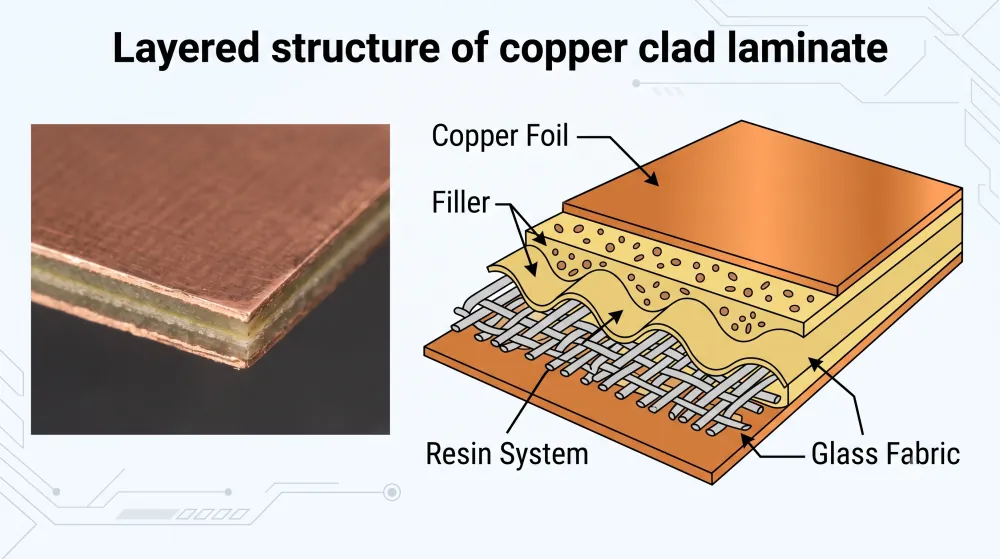
Copper clad laminate, or CCL, is a base material from which PCB conductors are formed. It consists of copper foil bonded to an insulating material such as cured glass-reinforced epoxy, a flexible polymer film, or a thermally conductive dielectric on a metal base. In a conventional multilayer rigid PCB, patterned CCL commonly becomes a core.…
JLCPCB vs PCBWay: quale produttore di PCB è adatto al tuo progetto? (2026)
For a straightforward PCB prototype or a small assembly order that fits JLCPCB’s Economic PCBA rules, start with JLCPCB, especially when the components are already in its inventory. For rigid-flex or extensive custom fabrication requirements, shortlist PCBWay early. These recommendations follow from JLCPCB’s economical assembly tier and PCBWay’s documented advanced manufacturing options. The JLCPCB vs…

What Is a Through Hole? PCB Types, Uses, and Design Guide
A through hole is an opening that passes completely from one side of a printed circuit board (PCB) to the other. It may be plated with conductive copper to create an electrical connection, or left unplated for mechanical use. Through holes are commonly used for component leads, connectors, vias, mounting hardware, alignment pins, and slots.…

Guida ai Materiali per PCB: Tipi, Proprietà e Selezione
Il materiale del PCB influisce su molto più che la resistenza fisica di un circuito stampato. Esso incide su impedenza, perdita di segnale, dissipazione del calore, stabilità dimensionale, affidabilità dell'assemblaggio, producibilità, tempi di consegna e costi. Un materiale che funziona bene per un controller di base potrebbe fallire in un modulo radar a 77 GHz, in una scheda LED ad alta corrente o in un dispositivo medico rigido-flessibile.…

Checklist di Qualificazione dei Fornitori PCB [Guida 2026]
Una checklist di qualificazione dei fornitori PCB aiuta ingegneri e acquirenti a verificare se un fabbricante di PCB, un fornitore PCBA o un partner EMS può soddisfare i requisiti tecnici, di qualità, consegna e documentazione del prodotto prima dell'inizio della produzione. ISO descrive ISO 9001:2015 come uno standard di gestione della qualità riconosciuto a livello globale per migliorare le prestazioni e mantenere un sistema di gestione della qualità (ISO, 2026). In…
Checklist DFM PCB
Una checklist DFM PCB aiuta ingegneri e acquirenti a individuare problemi di producibilità prima che una scheda venga quotata, fabbricata, assemblata o rilasciata in produzione. L'obiettivo è confermare che il fornitore possa realizzare il progetto con lo stackup, le tolleranze, la finitura, il piano di test e la documentazione richiesti. La revisione DFM riduce le sospensioni tecniche e aiuta gli acquirenti a confrontare i fornitori. Se…