Circuito electrónico
Aquí podrá adquirir conocimientos especializados que abarcan toda la cadena, desde el diseño de placas de circuito impreso hasta el montaje, así como un análisis detallado de las últimas tendencias en el sector de la electrónica.
Producción industrial de PCB: proceso y control de calidad
Industrial PCB production turns an approved circuit-board design into bare boards and, when ordered, populated assemblies for industrial equipment. The route includes fabrication, component assembly, inspection and agreed testing. Approval depends on the specified build, operating conditions and acceptance criteria. A motor controller, sensor interface and cabinet-mounted control board can require different materials, mechanical support…
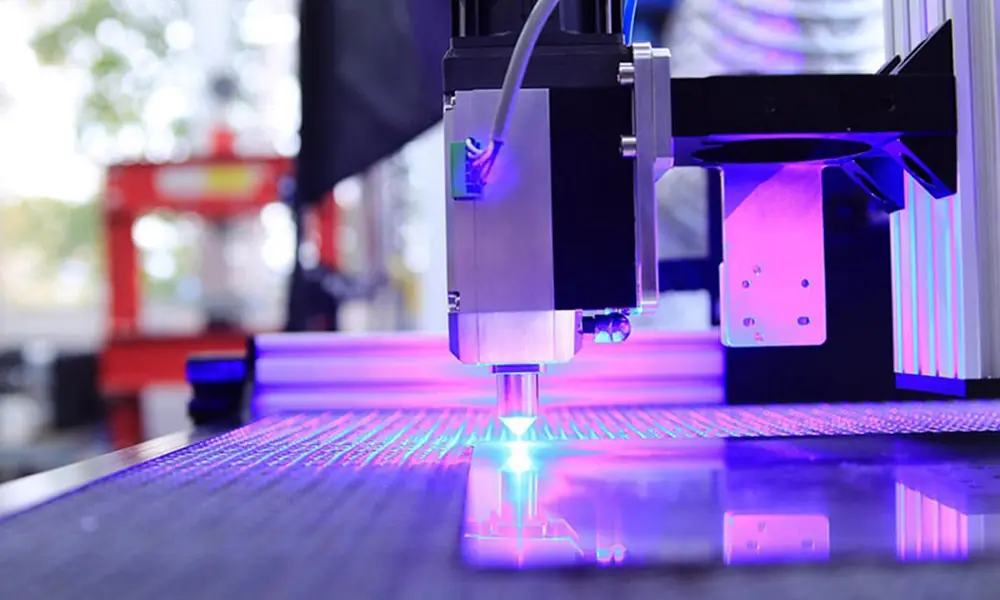
Guía de soldadura por reflujo: proceso, perfil y defectos
Reflow soldering is the process that attaches surface-mount components to a printed circuit board by heating stencilled solder paste until it melts, wets the component terminations and forms the joint on cooling. It is the primary assembly method for almost every modern electronic product, and it is the step where the most expensive mistakes become…
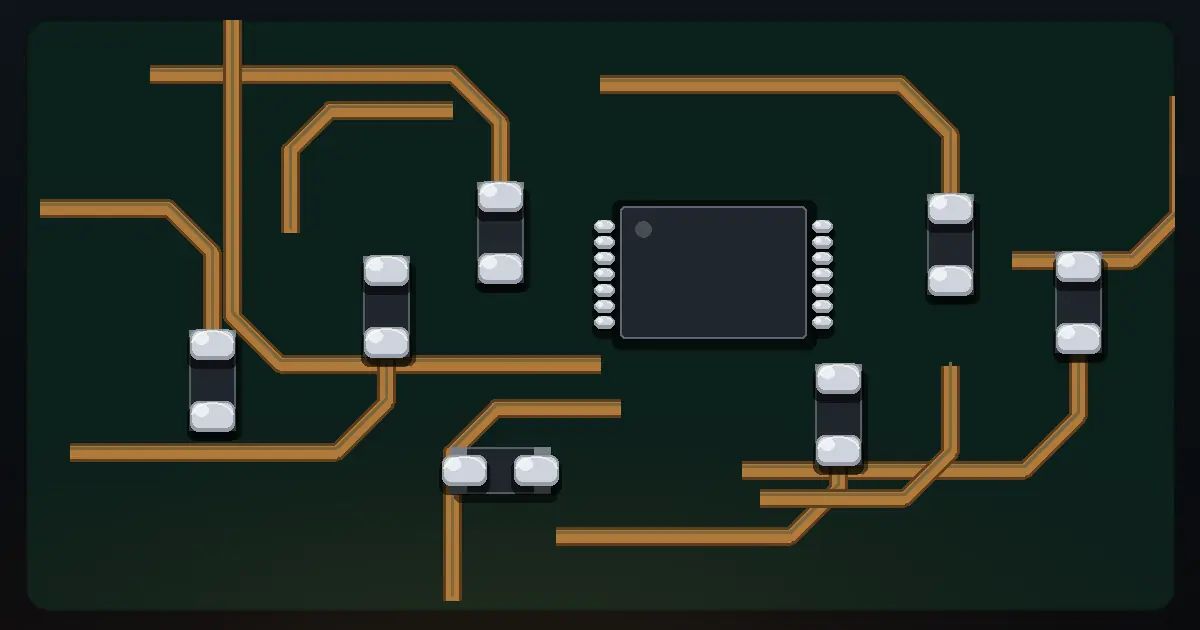
Guía de resistores SMD: códigos, tamaños, huellas y límites
An SMD resistor is a fixed-value resistor in a leadless rectangular package that solders to pads on the surface of a printed circuit board rather than passing through holes. It is typically the most numerous component on a board, and the one most often specified from habit rather than from the datasheet. Most guides to…
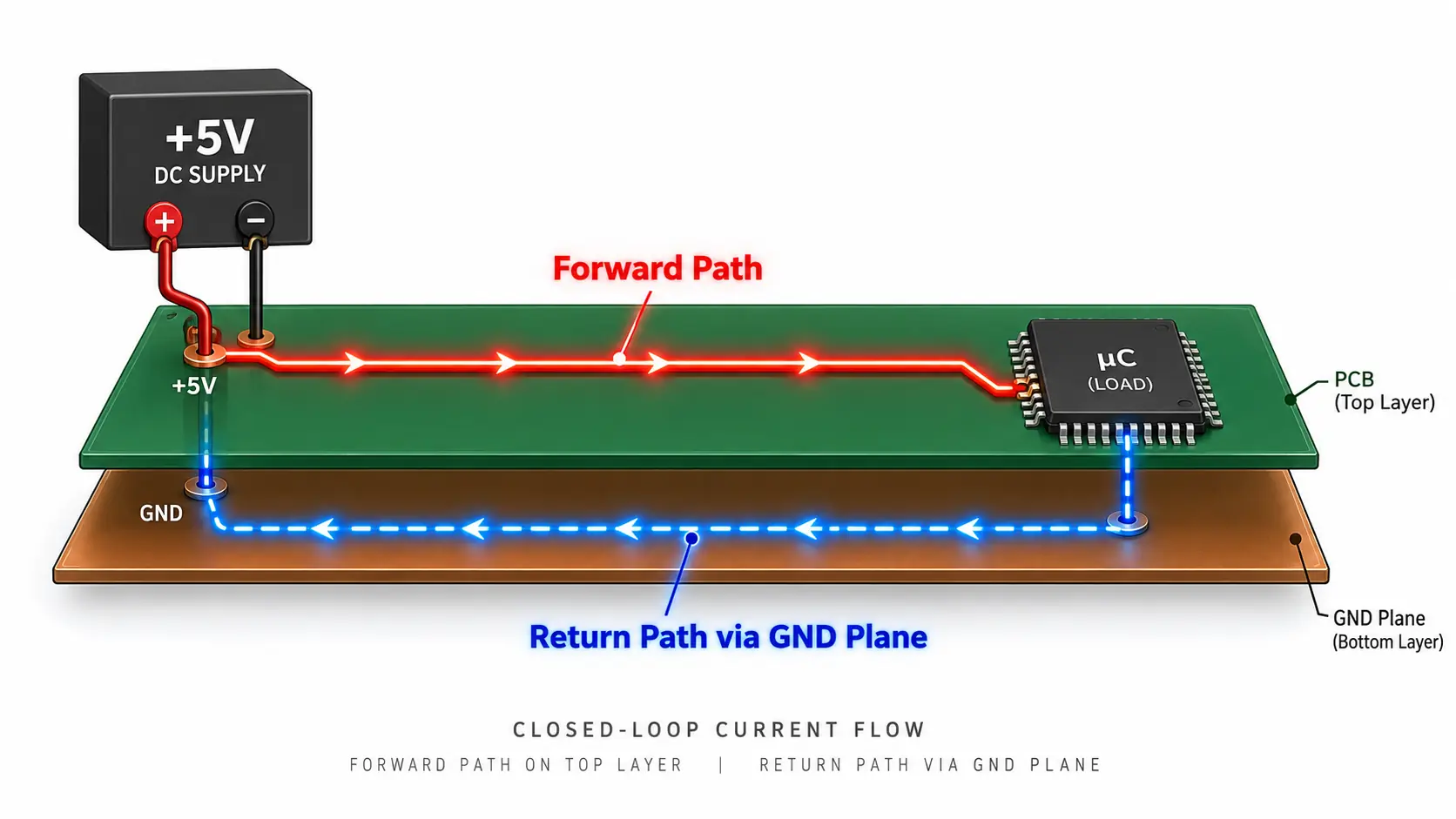
¿Qué es GND? Se explica el significado, los tipos y la conexión a tierra de PCB
GND appears on almost every circuit diagram, PCB, power supply, and electronic module. It is often described as “zero volts” or “the negative terminal,” but neither description is universally correct. In electronics, GND stands for ground. It is the reference node against which other voltages are measured and, in many circuits, part of the path…
¿Qué es un agujero pasante? Tipos, usos y guía de diseño de PCB
A through hole is an opening that passes completely from one side of a printed circuit board (PCB) to the other. It may be plated with conductive copper to create an electrical connection, or left unplated for mechanical use. Through holes are commonly used for component leads, connectors, vias, mounting hardware, alignment pins, and slots.…

Ánodo y Cátodo de LED: Cómo Identificar los Terminales Positivo y Negativo
Un LED (diodo emisor de luz) es un dispositivo semiconductor polarizado que permite que la corriente fluya en una sola dirección. Para iluminar un LED, debes conectar correctamente sus terminales positivo y negativo dentro de tu circuito. En los LED estándar de orificio pasante, la pata más larga y el lado redondeado representan el ánodo, mientras que la pata más corta y el…

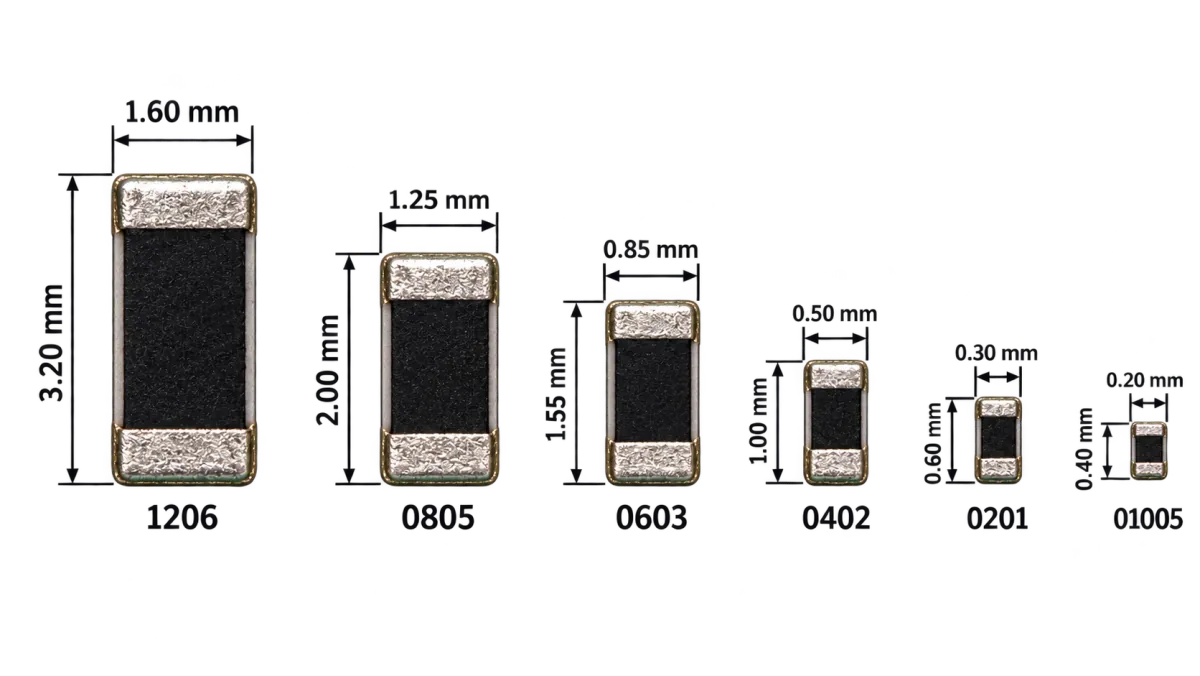
Guía de Resistencias 0402: Tamaño, Especificaciones y Selección
El diseño de hardware siempre se reduce a una batalla por el espacio en la placa. A medida que los dispositivos portátiles de consumo, los dispositivos IoT y los módulos de computación de alto rendimiento integran más funciones en carcasas más pequeñas, el espacio en la placa de circuito impreso (PCB) se ha convertido en un recurso increíblemente valioso. Alejarse de los componentes heredados de orificio pasante y los dispositivos de montaje superficial (SMD) más voluminosos ya no es opcional, es una…
IPC-TM-650 Explicado: Métodos de Prueba de PCB, Procedimientos Clave y Usos de Calidad
“Probar según IPC” no es un requisito completo de PCB. Un proveedor aún necesita el método, la revisión, las muestras, las condiciones y los criterios de aceptación antes de poder cotizar o ejecutar el trabajo. IPC-TM-650 es el lado del procedimiento de las pruebas de PCB. Ayuda a los ingenieros a elegir una forma de medir una característica de la placa. La especificación rectora, el dibujo o el contrato aún…

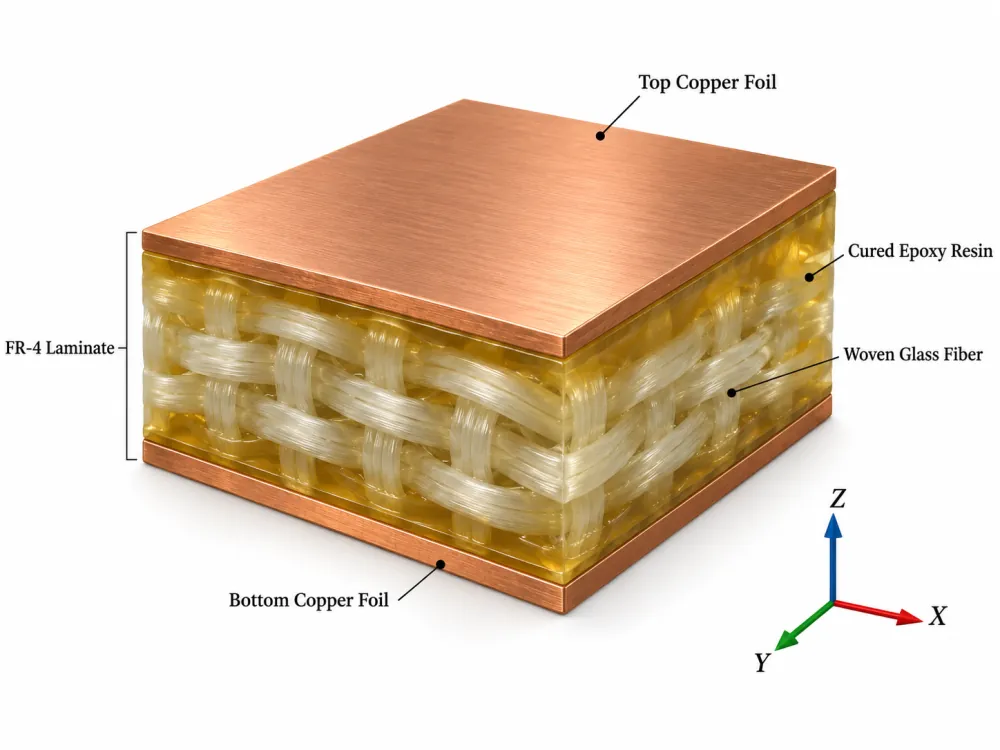
Propiedades del material FR-4 para la selección de laminados de PCB
Las propiedades del material FR-4 que más importan dependen de lo que su PCB debe soportar: señales eléctricas, calor de ensamblaje, temperaturas de operación, estrés de voltaje, humedad y carga mecánica. Comience con la constante dieléctrica y la pérdida, la expansión térmica y la estabilidad, el rendimiento de aislamiento y los requisitos mecánicos. El FR-4 es una clase de material epóxico reforzado con vidrio y retardante de llama. No identifica una única…
Guía sobre las vías en placas de circuito impreso (PCB): tipos, reglas de diseño y consejos para su selección
Una vía en una placa de circuito impreso (PCB) es una interconexión chapada que permite que las señales, la energía, la tierra o el calor se desplacen entre las capas de cobre de una placa de circuito impreso. La elección de las vías afecta la densidad de trazado, el costo de fabricación, el rendimiento del ensamblaje, la integridad de la señal y el desempeño térmico; por lo tanto, debe formar parte de la planificación del apilamiento y del diseño para la fabricación (DFM), y no ser un paso de limpieza al final del proceso. Para…

Guía de diseño de placas de circuito impreso de potencia y de fuentes de alimentación
Una placa de circuito impreso (PCB) de potencia es aquella que recibe, convierte, regula, distribuye o supervisa la energía eléctrica. Una PCB de fuente de alimentación es un tipo más específico de PCB de potencia que convierte una fuente de entrada —como la red eléctrica de CA, una batería, alimentación USB o un bus de CC— en líneas de voltaje de salida estables para un producto electrónico. La calidad de…
Significado de SMT: explicación de la tecnología de montaje en superficie
SMT significa «Tecnología de montaje en superficie»: un método para fijar componentes electrónicos directamente sobre la superficie de una placa de circuito impreso (PCB). En lugar de insertar los cables largos de los componentes a través de orificios perforados, la SMT utiliza pequeños componentes de montaje en superficie que se colocan sobre almohadillas recubiertas de soldadura y se conectan de manera permanente mediante un calentamiento controlado. En términos prácticos, el SMT es lo que hace posible la electrónica moderna…
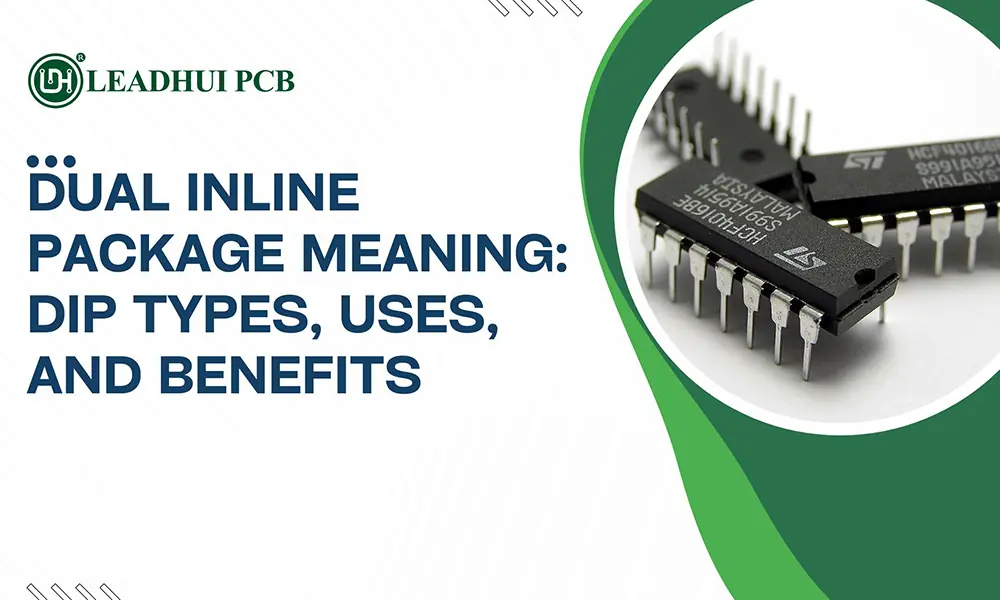
Significado de «Dual Inline Package»: tipos, usos y ventajas del DIP
Un paquete dual en línea (DIP o DIL, por sus siglas en inglés) es un paquete de componentes electrónicos con un cuerpo rectangular y dos filas paralelas de pines. Estos pines atraviesan los orificios de una placa de circuito impreso (PCB) o se enchufan en un zócalo, creando una conexión sencilla, duradera y fácil de manejar. El significado del paquete dual en línea es, por lo tanto, más…