Rigid-flex PCB
LEADHUI PCB provides custom rigid-flex PCB manufacturing for electronic products that require compact structure, reduced connector count, improved reliability, and more efficient use of space. By combining rigid board sections with flexible circuit layers, rigid-flex PCBs help simplify assembly while improving electrical and mechanical performance in demanding applications.Thermal Conductivity Options: 1.0–3.0 W/m.KGet A Quote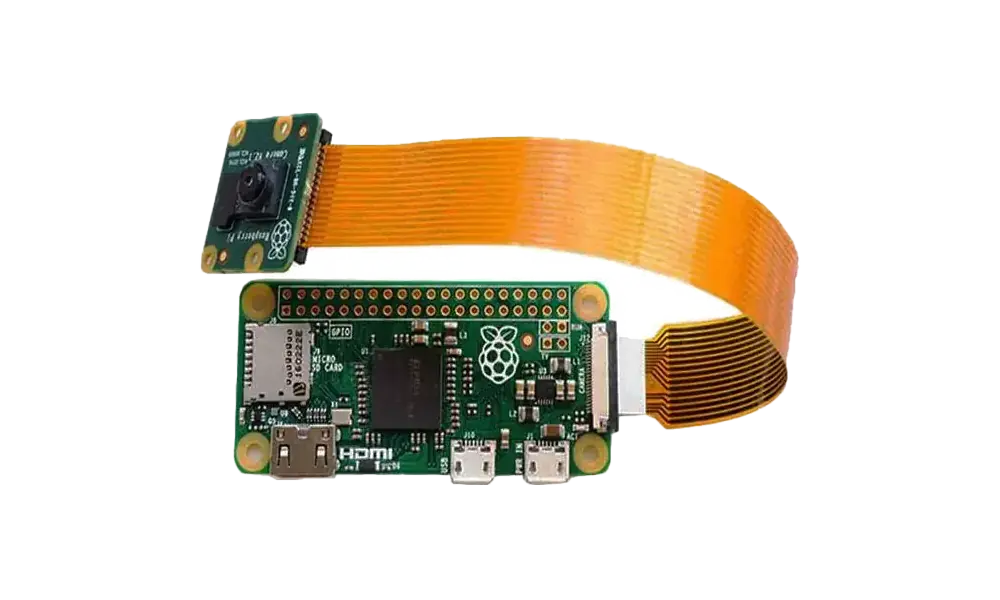
Rigid-Flex PCB Types We Support
We manufacture four distinct types of Rigid-flex PCBs to match your specific layering, and spatial layout requirements.

Standard Rigid-Flex PCB
Standard rigid-flex boards combine rigid PCB areas and one or more flexible sections in a single structure, suitable for compact electronic devices and interconnection applications.
- Layer Count:
- Best For:
- Cost Level:
Multilayer Rigid-Flex PCB
Multilayer rigid-flex boards support more complex routing, higher component density, and more advanced electrical performance in products with limited space.
- Layer Count:
- Best For:
- Cost Level:
Dynamic Flex Rigid-Flex PCB
Dynamic flex structures are designed for applications where the flexible section must move or bend repeatedly during product use. These designs require more careful material and bend-life consideration.
- Board Type:
- Best For:
- Cost Level:
Static Flex Rigid-Flex PCB
Static flex rigid-flex boards are designed for one-time installation or limited bending during assembly, making them suitable for many industrial, medical, and compact electronic products.
- Board Type:
- Best For:
- Cost Level:
What Is a Rigid-Flex PCB?
A rigid-flex PCB is a circuit board that combines rigid PCB sections and flexible circuit sections into a single integrated structure. The rigid areas support component placement and mechanical strength, while the flexible areas allow bending, folding, and three-dimensional routing between board sections.
Compared with traditional solutions that use connectors, cables, or separate rigid boards, rigid-flex PCBs can:
- Reduce assembly complexity
- Save internal product space
- Improve connection reliability
- Reduce weight
- Simplify product structure
- Support compact mechanical designs
Rigid-flex boards are especially useful in products where reliability, size reduction, and vibration resistance are important.
Why Choose Rigid-Flex PCB?
Rigid-Flex PCB Capabilities
| Capability Item | Specification |
|---|---|
| PCB Type | Standard Rigid-Flex PCB, Multilayer Rigid-Flex PCB, Static Flex, Dynamic Flex, Custom Rigid-Flex PCB |
| Layer Structure | Rigid sections and flexible sections combined in custom stackup structures according to project requirements |
| Rigid Section Material | FR4, High Tg FR4, and other rigid materials upon review |
| Flexible Section Material | Polyimide-based flexible circuit material with custom stackup options |
| Layer Count | Custom multilayer rigid-flex structures available upon engineering review |
| Copper Thickness | Standard and heavier copper options available depending on structure and bend requirements |
| Stiffeners | FR4, PI, stainless steel, and other stiffener options available upon project requirements |
| Surface Finish | ENIG, HASL, Lead-Free HASL, OSP and other finishes upon review |
| Coverlay / Solder Mask | Flexible coverlay and rigid board solder mask options available according to board structure |
| Profile Processing | CNC Routing, laser processing where applicable, slots, cutouts, custom board outline |
| Testing | Electrical Test, Visual Inspection, Dimension Inspection, Final Quality Inspection |
Rigid-Flex PCB FAQ
What is the advantage of rigid-flex PCB?
Rigid-flex PCBs reduce connectors and wiring, save space, improve reliability, and support compact three-dimensional product structures.
Where are rigid-flex PCBs commonly used?
Rigid-flex boards are commonly used in medical devices, automotive electronics, aerospace electronics, industrial controls, sensors, cameras, and compact consumer devices.
Is rigid-flex PCB more expensive than standard rigid PCB?
Yes, rigid-flex PCBs are generally more expensive because of their material structure, stackup complexity, and manufacturing requirements. However, they can reduce overall system cost by eliminating connectors, cables, and manual assembly steps.
Can rigid-flex PCB be used in moving applications?
Yes, but the design must account for repeated bending, material selection, copper routing, and bend radius. Dynamic flex applications require more careful engineering review.
Can LEADHUI PCB support rigid-flex PCB assembly?
Rigid-flex PCB assembly can be supported according to board structure, component placement, flex protection requirements, and testing needs.