RF4 PCB
LEADHUI PCB manufactures single-sided, double-sided, multilayer, high-Tg, heavy-copper, and impedance-controlled FR-4 circuit boards for electronics projects from prototype to production.Thermal Conductivity Options: 1.0–3.0 W/m.KGet A Quote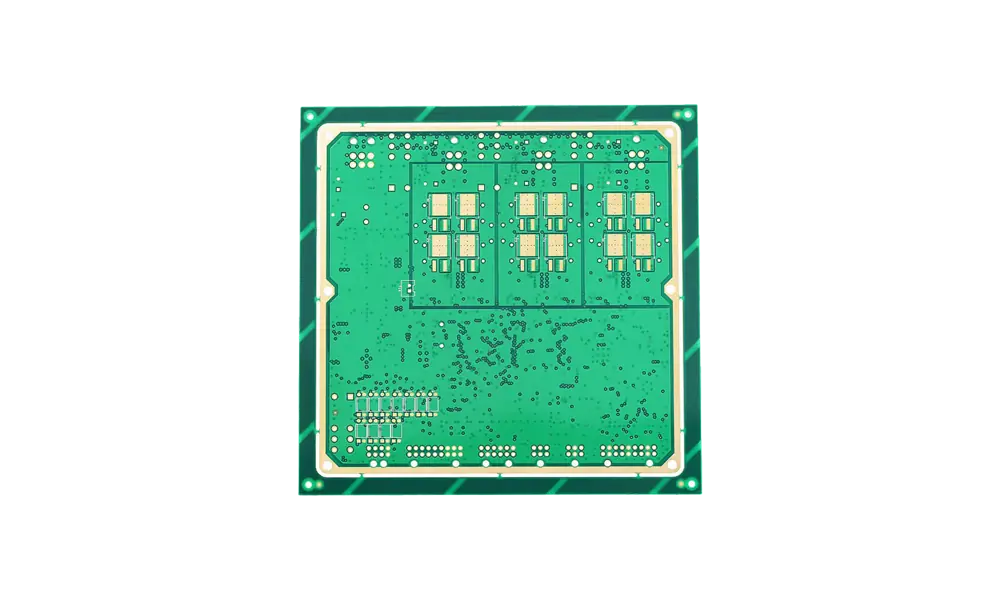
FR-4 PCB Types We Manufacture
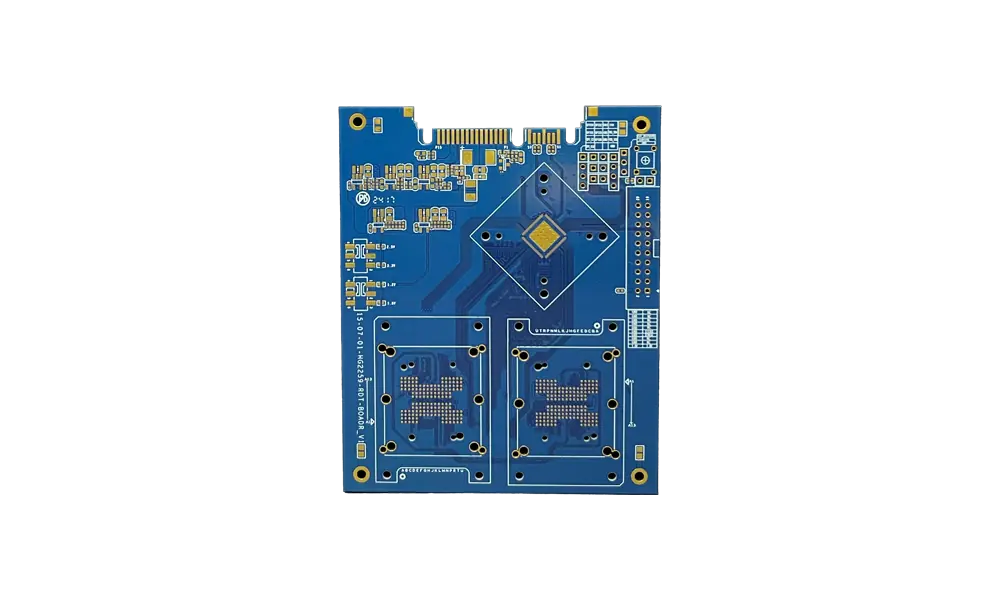
Single-Sided FR-4 PCB
The most cost-effective and common configuration. Consisting of a single copper routing layer, a thermal dielectric layer, and the aluminum base. Optimized strictly for surface mount (SMT) assemblies.
- Layer Count:
- Best For:
- Cost Level:
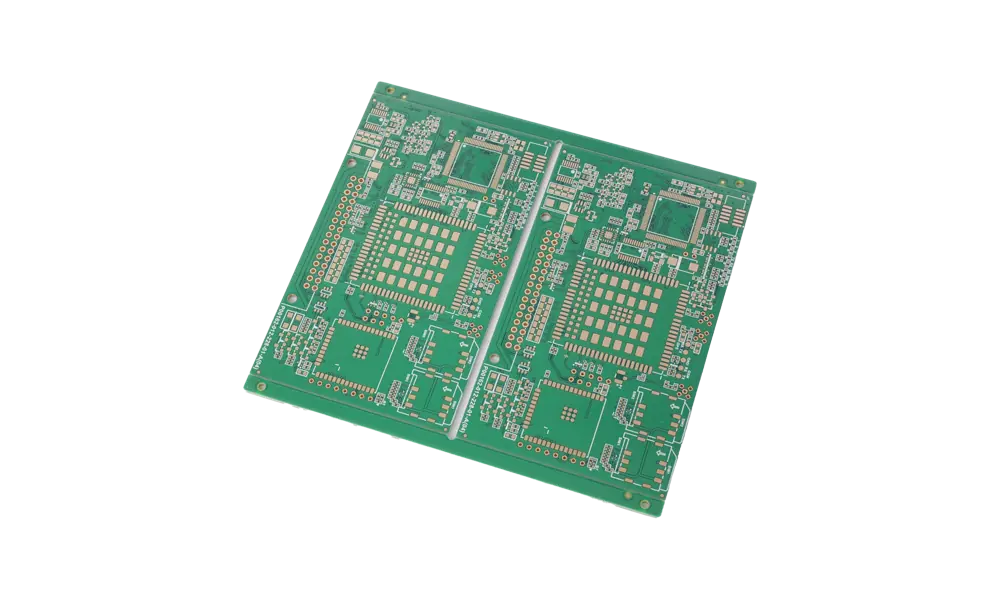
Double-Sided FR-4 PCB
Engineered for complex circuits requiring high component density. By embedding an aluminum core or backing behind multiple FR4 layers, it delivers advanced routing capabilities via specialized insulated plated through-holes (PTH).
- Layer Count:
- Best For:
- Cost Level:
Multilayer FR-4 PCB
Aluminum PCB strips and bars are long, narrow metal-core circuit boards designed for linear lighting and LED module applications. They provide stable heat dissipation, consistent LED placement, and flexible length options for different lighting structures.
- Board Type:
- Best For:
- Cost Level:
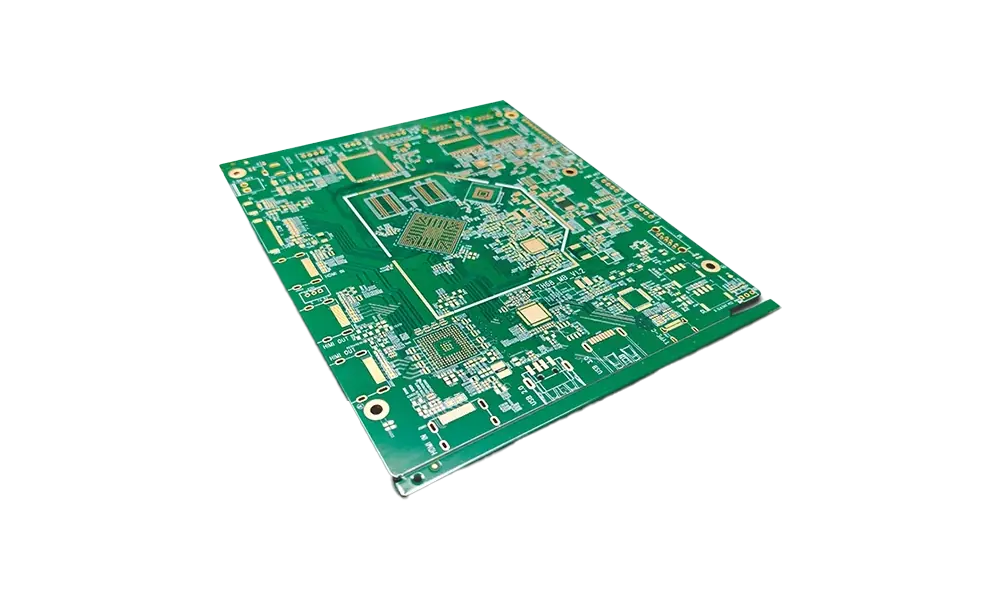
High-Tg FR-4 PCB
High-Tg FR-4 materials are designed for applications that experience higher thermal stress during lead-free assembly or product operation. They can be a good choice for multilayer boards, automotive-related electronics, industrial equipment, and higher-reliability assemblies.
- Board Type:
- Best For:
- Cost Level:
What Is an FR-4 PCB?
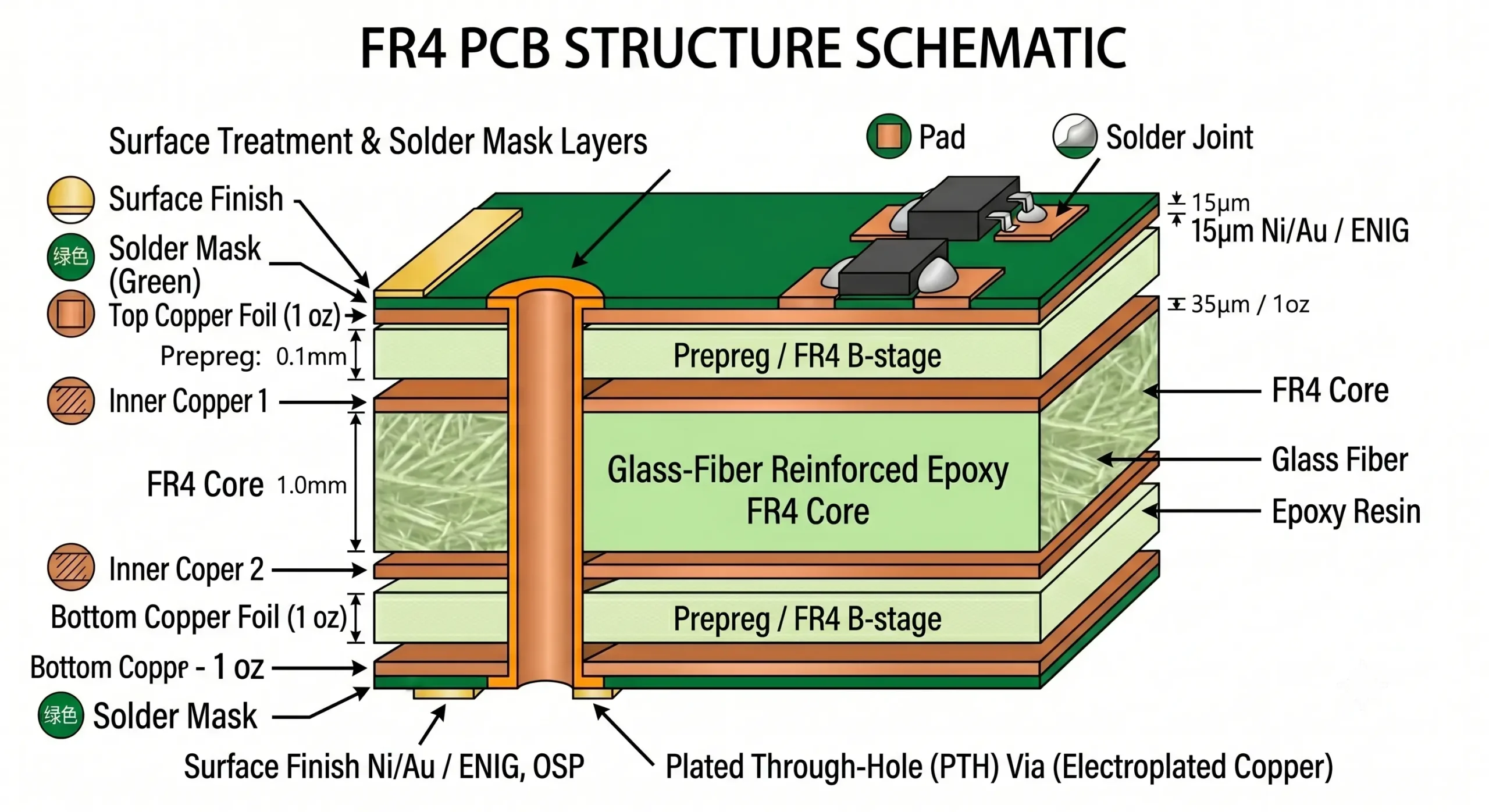
FR-4 is a flame-retardant glass-reinforced epoxy laminate used as the insulating base material of a rigid printed circuit board. Copper foil is laminated to one or both sides of the FR-4 core, then patterned to form the electrical circuitry.
The material is valued for its:
- Good electrical insulation and dielectric stability
- Strong mechanical support for components and connectors
- Reliable performance in standard electronic applications
- Compatibility with common PCB fabrication and assembly processes
- Broad material availability and competitive cost
“FR-4” describes a material family rather than one fixed formulation. LEADHUI PCB can recommend standard, high-Tg, halogen-free, or other suitable FR-4 materials according to your operating temperature, reliability target, layer count, impedance, and assembly requirements.
FR-4 PCB Manufacturing Process
1. File Review and Engineering Evaluation
Our team reviews your Gerber files, drill files, layer stack-up, fabrication drawing, and technical requirements. We confirm manufacturability concerns before production begins.
2. Material Preparation and Inner-Layer Imaging
The selected FR-4 laminate and copper foil are prepared. Inner-layer circuitry is imaged, etched, inspected, and prepared for lamination.
3. Multilayer Lamination
For multilayer boards, inner layers are bonded with prepreg under controlled heat and pressure to form the final PCB structure.
4. Drilling and Hole Metallization
Mechanical drilling or laser drilling is performed according to the design. Hole walls are then prepared and plated to establish electrical interconnection between layers.
5. Outer-Layer Circuit Formation
The outer copper layers are patterned to create traces, pads, planes, and other circuit features.
6. Solder Mask, Silkscreen, and Surface Finish
Solder mask is applied to protect exposed circuitry. Silkscreen markings and the selected surface finish are then added to support assembly and long-term solderability.
7. Electrical Test and Final Inspection
Boards are inspected and electrically tested according to the approved production requirements before packing and shipment.
Why Choose FR-4 for Your PCB?
Technical Capabilities
| Item | FR-4 PCB Capability |
|---|---|
| PCB Type | Rigid FR-4 printed circuit boards. |
| Layer Count | 1–32 layers, subject to board construction and engineering review. |
| Board Construction | Single-sided, double-sided, multilayer, HDI, and high-density FR-4 PCB designs. |
| Standard Material | Standard FR-4 glass-reinforced epoxy laminate. |
| Material Options | High-Tg FR-4, halogen-free FR-4, high-CTI FR-4, and selected low-loss materials available upon engineering review. |
| Board Thickness | Common board thicknesses from 0.4 mm to 3.2 mm. Custom thicknesses are available based on material availability and stack-up requirements. |
| Copper Weight | 0.5 oz to 6 oz copper for standard designs. Heavy-copper construction is available for higher-current applications upon review. |
| Minimum Trace / Space | Determined by copper thickness, layer count, board structure, and production requirements. Fine-line routing is available for HDI designs. |
| Minimum Hole Size | Mechanical drilling and laser drilling are available according to board thickness, aspect ratio, and via design requirements. |
| Via Types | Through vias, blind vias, buried vias, via-in-pad, filled vias, capped vias, and microvias are available upon engineering review. |
| Surface Finishes | HASL, lead-free HASL, ENIG, OSP, immersion tin, immersion silver, hard gold, and other finishes based on project requirements. |
| Solder Mask | Green, black, white, red, blue, yellow, and custom solder mask colors subject to material availability. |
| Silkscreen | White, black, and selected silkscreen color options depending on solder mask contrast and project requirements. |
| Controlled Impedance | Available for high-speed, RF-related, and signal-sensitive designs. Stack-up and impedance targets should be provided for engineering confirmation. |
| Special Features | Gold fingers, edge plating, castellated holes, countersinks, counterbores, panelization, scoring, routing, and special cutouts available upon review. |
| Electrical Testing | Electrical testing can be arranged according to the board design, netlist availability, production quantity, and project requirements. |
| Quality Standard | Manufactured according to applicable IPC requirements and approved production documentation. |
| Order Volume | Supports prototype, NPI, low-volume, and production FR-4 PCB orders. |
FR4 PCB FAQ
What is the difference between FR-4 and standard PCB material?
FR-4 is the most common rigid PCB substrate material. It is a glass-reinforced epoxy laminate with flame-retardant properties and is used as the insulating base of many standard printed circuit boards.
Is FR-4 suitable for high-temperature applications?
Standard FR-4 is suitable for many electronics applications. For higher thermal stress, lead-free assembly, or demanding operating environments, high-Tg FR-4 or another specialized material may be more appropriate.
Can FR-4 PCBs support controlled impedance?
Yes. Controlled impedance can be supported when the target impedance, stack-up, copper thickness, dielectric thickness, and trace geometry are confirmed during engineering review.
Can you manufacture multilayer FR-4 PCBs?
Yes. LEADHUI PCB supports single-sided, double-sided, and multilayer FR-4 boards. The available construction depends on layer count, thickness, copper weight, via structure, and design requirements.
Can you assemble components on FR-4 boards?
Yes. We can provide turnkey or partial-turnkey PCB assembly, including component sourcing, SMT, through-hole assembly, inspection, programming, and functional testing where required.
Start Your FR-4 PCB Project
Request a QuoteHelp Center