PCB Assembly
Here, you can acquire professional knowledge covering the entire chain from PCB design to assembly, as well as precise analysis of the latest trends in the electronics industry.
IPC-A-610 Explained: PCB Assembly Classes and Acceptance Criteria
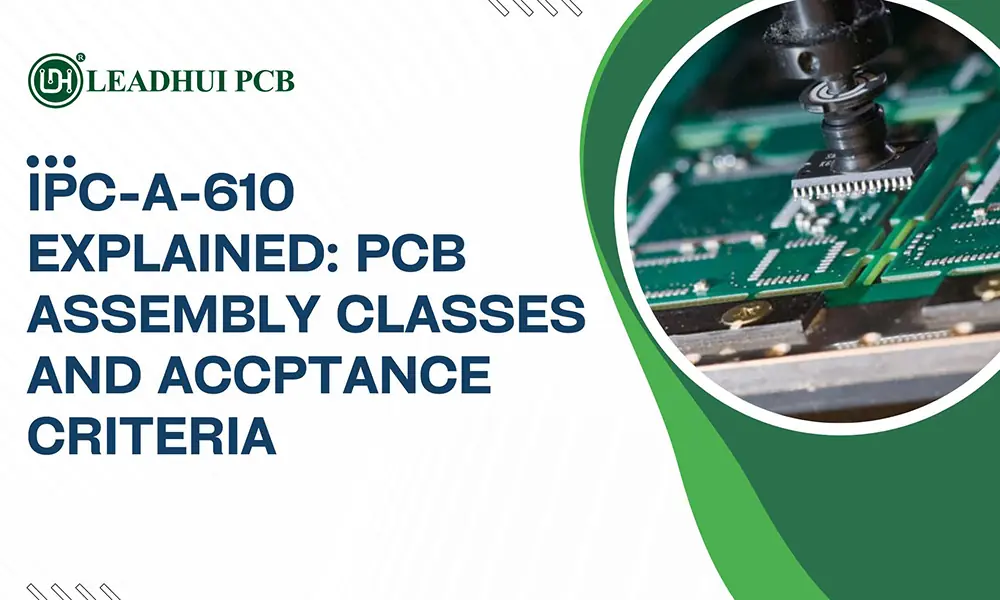
IPC-A-610 is the most widely used visual acceptance standard for electronic assemblies. It helps manufacturers, inspectors, engineers, and customers decide whether a PCB assembly meets agreed workmanship requirements by defining what acceptable work, process indicators, and defects look like. Its purpose is not to tell a factory exactly how to build a board; it tells…
SMT Meaning: Surface-Mount Technology Explained
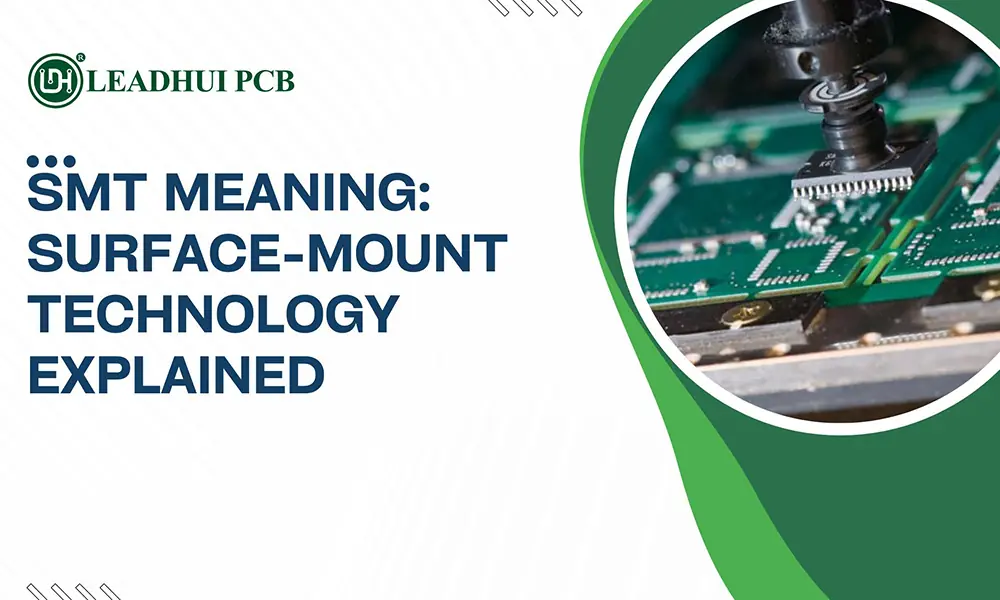
SMT means Surface-Mount Technology: a method of attaching electronic components directly onto the surface of a printed circuit board (PCB). Rather than inserting long component leads through drilled holes, SMT uses small surface-mount components that are placed on solder-coated pads and permanently connected through controlled heating. In practical terms, SMT is what makes modern electronics…
PCBA File Requirements for Flawless Manufacturing
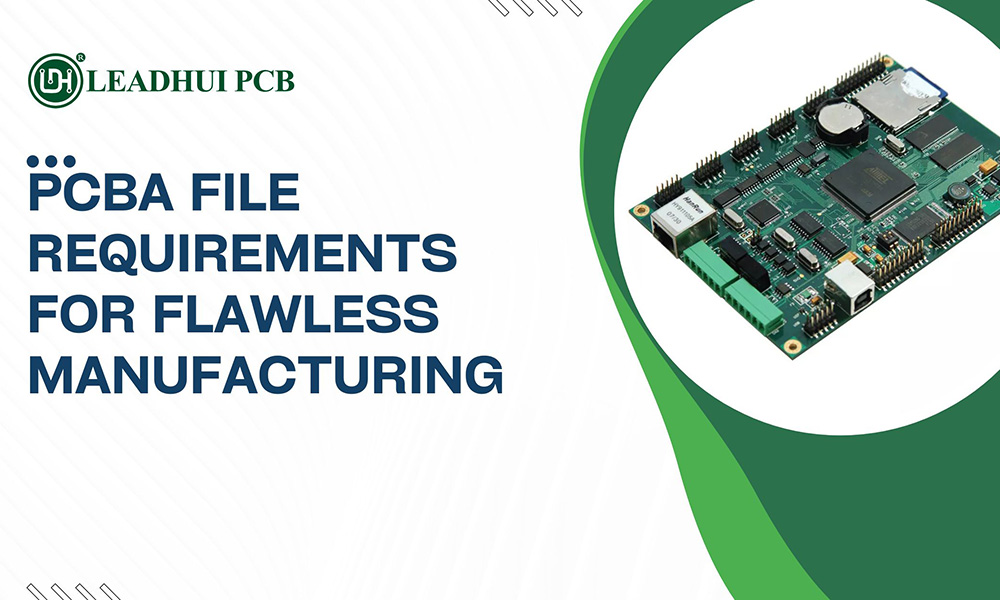
When preparing your printed circuit board design for assembly (PCBA), providing the right manufacturing files is the difference between a smooth product launch and a costly, delayed nightmare. While most Contract Manufacturers (CMs) will hand you a basic checklist asking for a BOM and Gerber files, modern Turnkey PCB Assembly requires far more comprehensive data…